🚚 Free Worldwide Shipping on All Orders!Shop Now
HomeStore
Correspondence respecting the murder of Mr. Peter Meshullam, and the removal of Mr. Finn from the consulate at Jerusalem.
1 / 3
Correspondence respecting the murder of Mr. Peter Meshullam, and the removal of Mr. Finn from the consulate at Jerusalem.
murder in Jerusalem
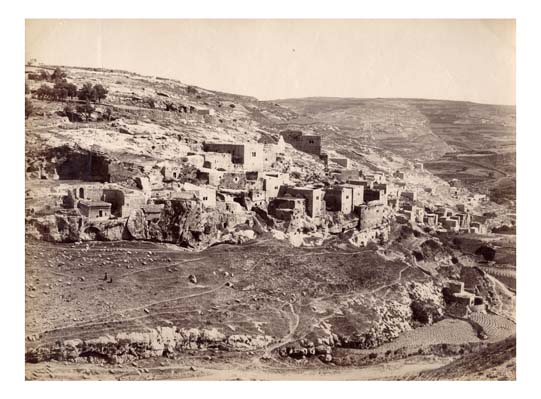
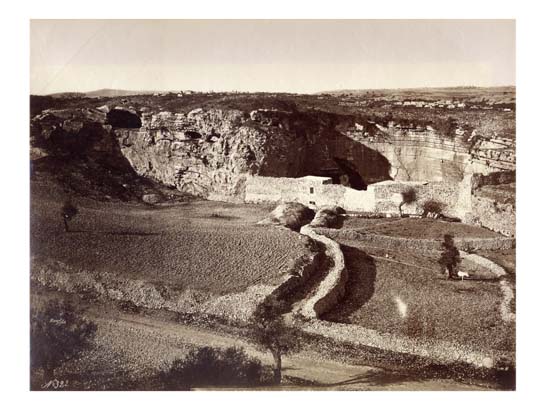
A House of Lords report on the dismissal of James Finn as British Consul to Jerusalem in 1863 following a scandal discrediting his subordinate, Peter Meshullam, who later died under suspicious circumstances.The report, in the form of a series of letter transcripts dating between 5th April 1862 and 1st March 1869, sheds important light on the exercise of British political power in the region of Palestine, a state then nominally under the control of the Ottoman Empire, at the beginning of the Jewish re-settlement of the Holy Land. In spring 1862 a series of petitions had been sent to the Prince of Wales, who was touring North Africa, alleging serious misconduct by the Jewish convert Meshullam, Cancellier (an administrative official) to the British Consul in Jerusalem. Meshullam's own father was among the complainants, alleging that his son's 'aggressive proceedings toward the surrounding peasantry... [made] it almost impossible for me to reside in the Valley of Urtas' (p.1).
An investigation was duly launched, in which Lieutenant-Colonel A.J. Fraser concluded that 'Meshullam had been able to carry out a system of oppression and spoliation towards the unfortunate peasantry, through the power he derived from his position in the British Consulate' (p.7). It is safe to say Whitehall was not best pleased. In a cutting letter dated 23rd October 1862, the foreign secretary Lord Russell wrote to James Finn dismissing him from his post.
Russell's acerbic comments reveal something of the British government's foreign-policy objectives: 'I cannot, however, refrain, after having perused your despatches, from remarking that you appear to be under some misapprehension as to the precise nature of your duties as Her Majesty's Consul at Jerusalem. Those duties are limited to the protection of British interests, and it is no part of your duty to interfere in local disputes, or meddle in the petty intrigues and misunderstandings among the inhabitants of the country in which you reside. But it is very clear, from your own statements, that you have allowed yourself to be involved in local squabbles to such an extent that, I am constrained to say, that however innocent your intentions may have been, it is desirable, on account of the public service, that on the earliest opportunity you should be removed to some other post' (pp.10-11). Meshullam was found dead on 6th March 1863, and threats were also made to the lives of Finn and his family by the Mará Ashy, a Bedouin people who had been implicated in the murder.
Parliamentary report; folio (32.5 x 21.5 cm); light spotting throughout; disbound, loose without binding chord; [2], 31, [1]pp.
$180.91
Original: $603.03
-70%Correspondence respecting the murder of Mr. Peter Meshullam, and the removal of Mr. Finn from the consulate at Jerusalem.—
$603.03
$180.91Product Information
Product Information
Shipping & Returns
Shipping & Returns
Description
murder in Jerusalem
A House of Lords report on the dismissal of James Finn as British Consul to Jerusalem in 1863 following a scandal discrediting his subordinate, Peter Meshullam, who later died under suspicious circumstances.The report, in the form of a series of letter transcripts dating between 5th April 1862 and 1st March 1869, sheds important light on the exercise of British political power in the region of Palestine, a state then nominally under the control of the Ottoman Empire, at the beginning of the Jewish re-settlement of the Holy Land. In spring 1862 a series of petitions had been sent to the Prince of Wales, who was touring North Africa, alleging serious misconduct by the Jewish convert Meshullam, Cancellier (an administrative official) to the British Consul in Jerusalem. Meshullam's own father was among the complainants, alleging that his son's 'aggressive proceedings toward the surrounding peasantry... [made] it almost impossible for me to reside in the Valley of Urtas' (p.1).
An investigation was duly launched, in which Lieutenant-Colonel A.J. Fraser concluded that 'Meshullam had been able to carry out a system of oppression and spoliation towards the unfortunate peasantry, through the power he derived from his position in the British Consulate' (p.7). It is safe to say Whitehall was not best pleased. In a cutting letter dated 23rd October 1862, the foreign secretary Lord Russell wrote to James Finn dismissing him from his post.
Russell's acerbic comments reveal something of the British government's foreign-policy objectives: 'I cannot, however, refrain, after having perused your despatches, from remarking that you appear to be under some misapprehension as to the precise nature of your duties as Her Majesty's Consul at Jerusalem. Those duties are limited to the protection of British interests, and it is no part of your duty to interfere in local disputes, or meddle in the petty intrigues and misunderstandings among the inhabitants of the country in which you reside. But it is very clear, from your own statements, that you have allowed yourself to be involved in local squabbles to such an extent that, I am constrained to say, that however innocent your intentions may have been, it is desirable, on account of the public service, that on the earliest opportunity you should be removed to some other post' (pp.10-11). Meshullam was found dead on 6th March 1863, and threats were also made to the lives of Finn and his family by the Mará Ashy, a Bedouin people who had been implicated in the murder.
Parliamentary report; folio (32.5 x 21.5 cm); light spotting throughout; disbound, loose without binding chord; [2], 31, [1]pp.