🚚 Free Worldwide Shipping on All Orders!Shop Now
1 / 4
Rome and Venice: Early Photographic Views.
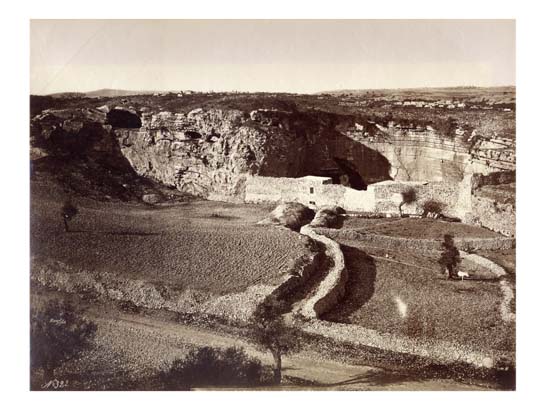
Born near Edinburgh, Macpherson lived most his life in Rome. In 1851, having failed to achieve notice as a painter, Macpherson turned to the new art of photography, using albumin on glass negatives. By 1856 he had transitioned to collodio-albumin, allowing the easier transport of dry plates. He typically used large-format negatives and long exposure times to attain exceptional detail of architecture, monuments, ruins, landscapes, and sculptures. His work emphasised careful composition of scenes to capture three-dimensional architectural relationships on the two-dimensional photographic medium. Macpherson emphasised the artistic aspects of his photography, stating in 1863 that "I remain a photographer to this day, without any feeling that by doing so I have abandoned art, or have in any way forfeited my claim to the title of artist." He had just become the first person permitted to photograph inside the Vatican.
By the early 1860s, Macpherson's photographic career was near its zenith, with exhibitions in Edinburgh and London. His work received critical acclaim, with "subjects chosen with fine taste and the pictures executed with skill and delicacy."
He was considered by Helmut Gernsheim as one of the more important photographers of the nineteenth century and the "true interpreter of Pontifical Rome".
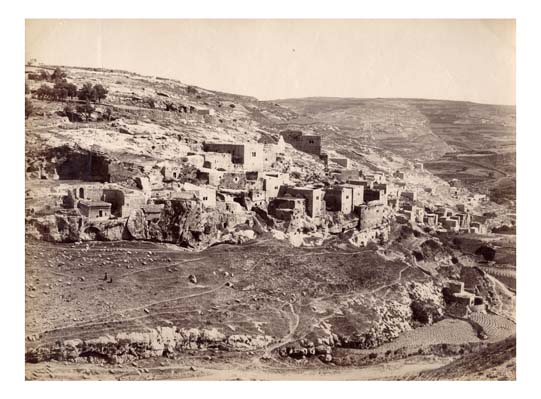
Albumen prints, each mounted on stiff card album sheets recto only, pencil captions in English on the mounts
By the early 1860s, Macpherson's photographic career was near its zenith, with exhibitions in Edinburgh and London. His work received critical acclaim, with "subjects chosen with fine taste and the pictures executed with skill and delicacy."
He was considered by Helmut Gernsheim as one of the more important photographers of the nineteenth century and the "true interpreter of Pontifical Rome".
Albumen prints, each mounted on stiff card album sheets recto only, pencil captions in English on the mounts
$261.31
Original: $871.04
-70%Rome and Venice: Early Photographic Views.—
$871.04
$261.31Product Information
Product Information
Shipping & Returns
Shipping & Returns
Description
Born near Edinburgh, Macpherson lived most his life in Rome. In 1851, having failed to achieve notice as a painter, Macpherson turned to the new art of photography, using albumin on glass negatives. By 1856 he had transitioned to collodio-albumin, allowing the easier transport of dry plates. He typically used large-format negatives and long exposure times to attain exceptional detail of architecture, monuments, ruins, landscapes, and sculptures. His work emphasised careful composition of scenes to capture three-dimensional architectural relationships on the two-dimensional photographic medium. Macpherson emphasised the artistic aspects of his photography, stating in 1863 that "I remain a photographer to this day, without any feeling that by doing so I have abandoned art, or have in any way forfeited my claim to the title of artist." He had just become the first person permitted to photograph inside the Vatican.
By the early 1860s, Macpherson's photographic career was near its zenith, with exhibitions in Edinburgh and London. His work received critical acclaim, with "subjects chosen with fine taste and the pictures executed with skill and delicacy."
He was considered by Helmut Gernsheim as one of the more important photographers of the nineteenth century and the "true interpreter of Pontifical Rome".
Albumen prints, each mounted on stiff card album sheets recto only, pencil captions in English on the mounts
By the early 1860s, Macpherson's photographic career was near its zenith, with exhibitions in Edinburgh and London. His work received critical acclaim, with "subjects chosen with fine taste and the pictures executed with skill and delicacy."
He was considered by Helmut Gernsheim as one of the more important photographers of the nineteenth century and the "true interpreter of Pontifical Rome".
Albumen prints, each mounted on stiff card album sheets recto only, pencil captions in English on the mounts