🚚 Free Worldwide Shipping on All Orders!Shop Now
1 / 11
Khamsa,
copied during the reign of Shah Abbas I
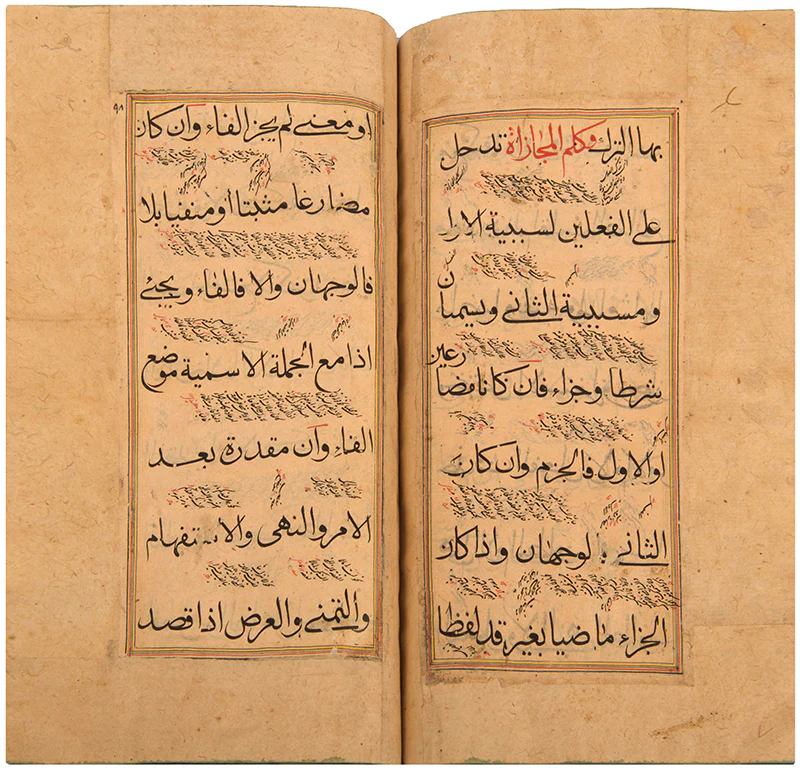
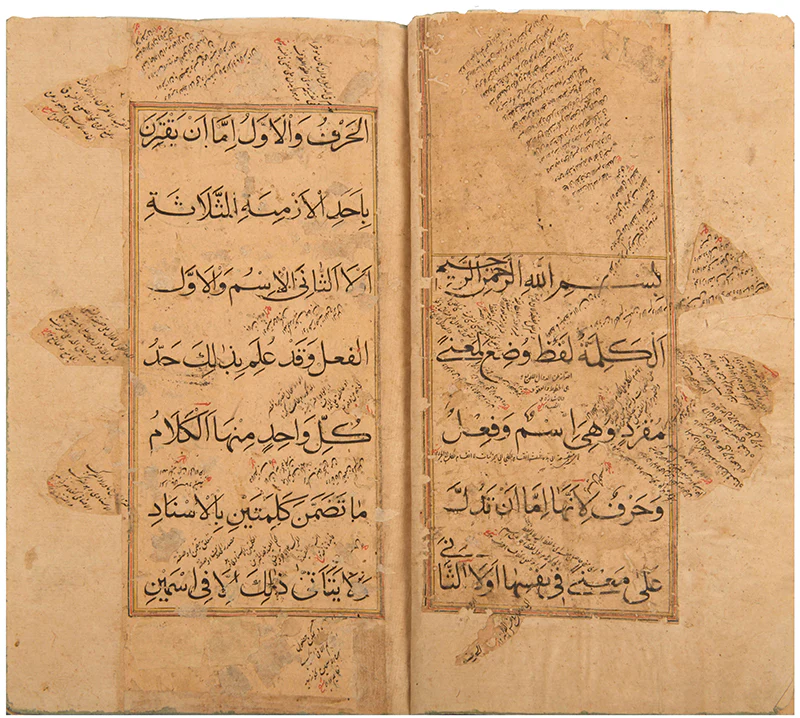
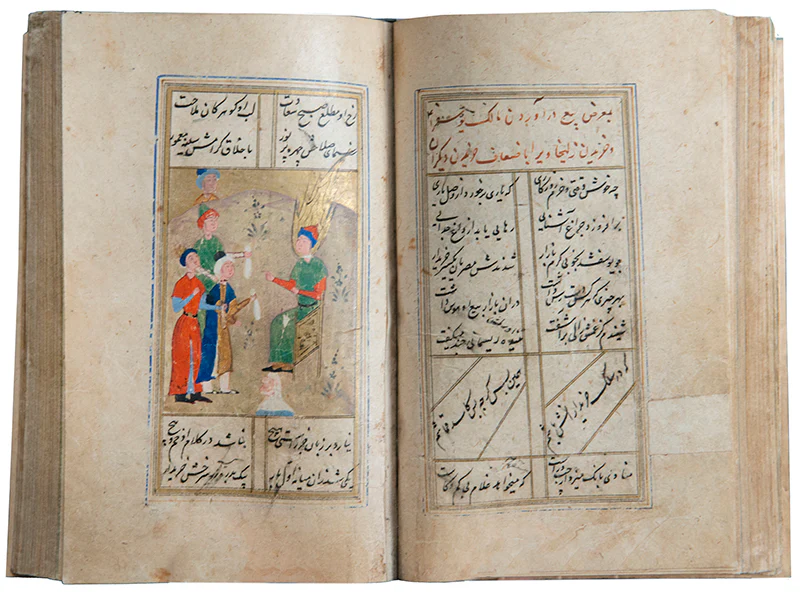
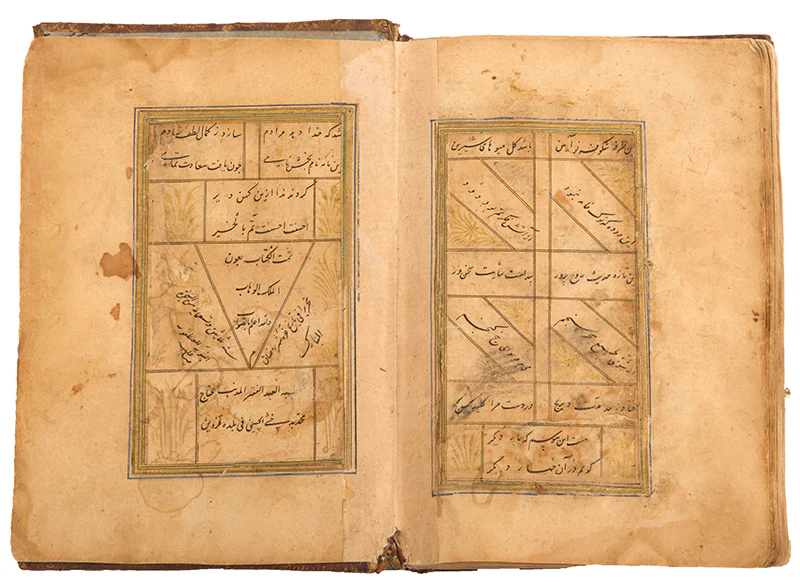
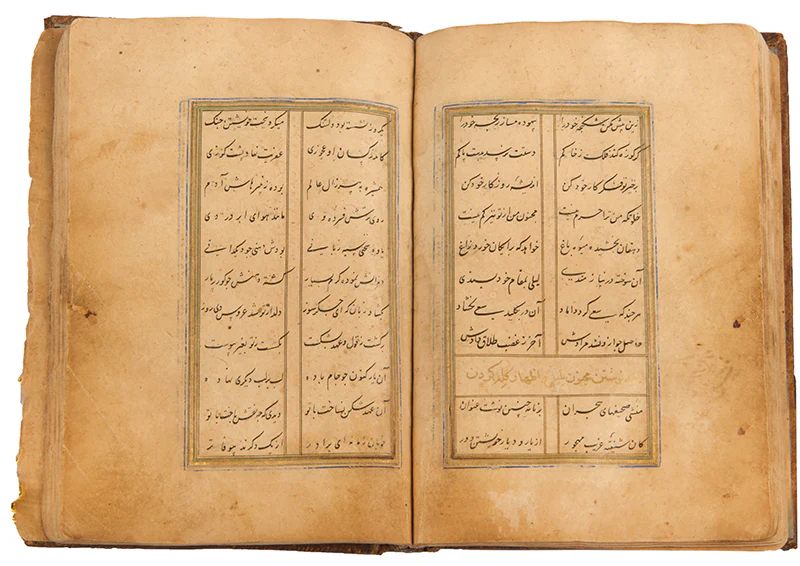
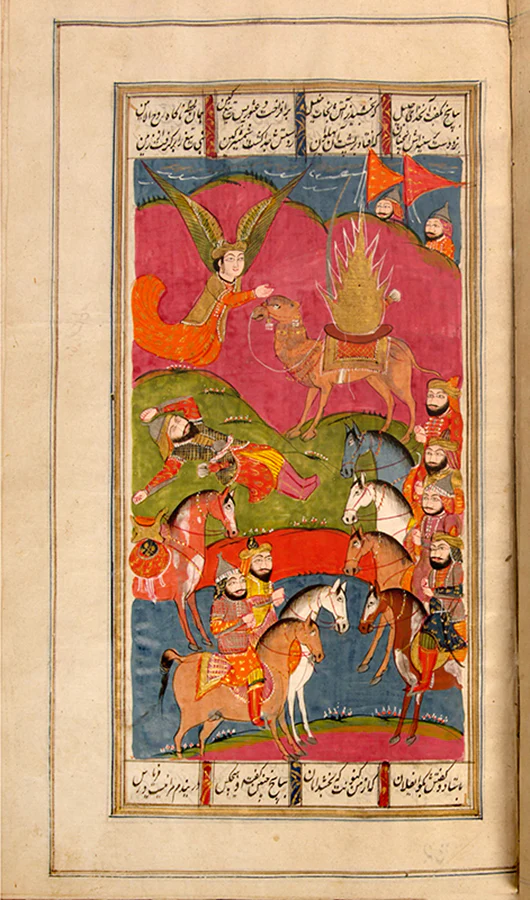
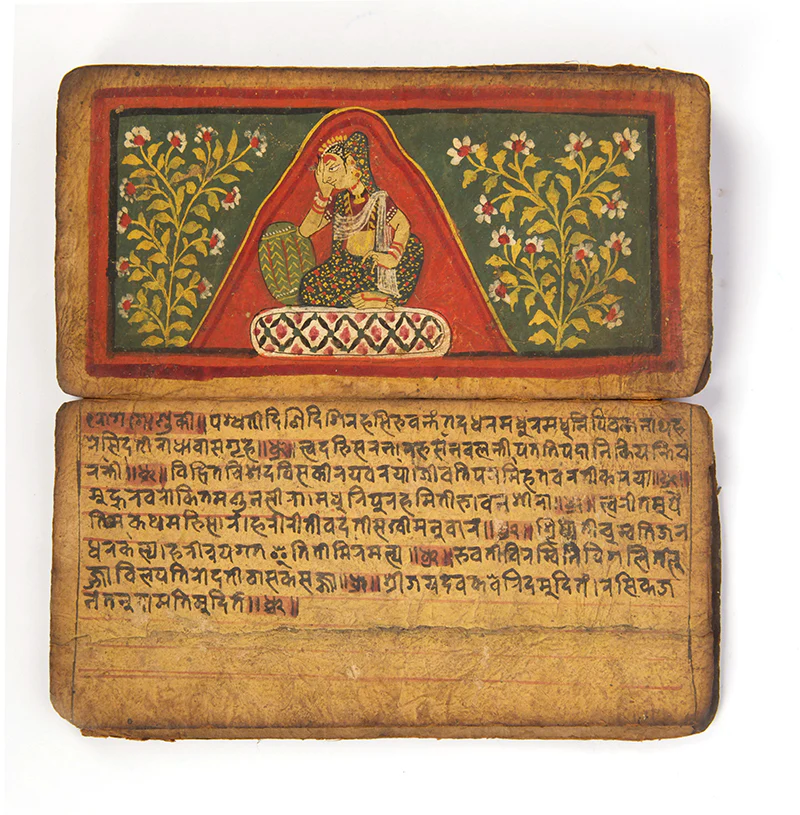
The manuscript consists of the five books of Nizami, arranged as follows: Makhzan al-Asrar (Treasure-chamber of Mysteries), Khosrow va Shirin, Layla va Majnun, Iskandar Nameh (The Book of Alexander) and Haft Peykar (Seven Portraits). There are two colophon present, the first at the end of Iskander Nameh provides a date of the 1st Ramadan 1008 (17th March 1600) and is signed Ghayam al-Din, the end of the Haft Peykar provides the second colophon describes a completion date of the 12th Dhu'l Qu'da 1008 (3rd September 1600) signed by the same scribe. These variations give us an insight into the time it would take a professional scribe to complete a manuscript of this scale (6 months for one of the five books alone).The illustrations in this manuscript are bright and attractive but evidently in a much later hand than the body of the text. It is likely that there were spaces left for miniatures when the text was copied but these were never completed by a contemporary workshop and thus finished centuries later - likely in Iran. The illustrations present depict these scenes: (1) Shirin is shown Khosrow's portrait and falls in love (2) The meeting of Khosrow and Shirin (3) The suicide of Farhad (4) Layla at School (5) Layla and Majnun (6) Iskander comforts the dying Dara (7) Iskander meets the Wise Men (8) Bahram Wins the Crown (9) Monarch Parading a captured prisoner (image not obviously related to adjoining leaves).
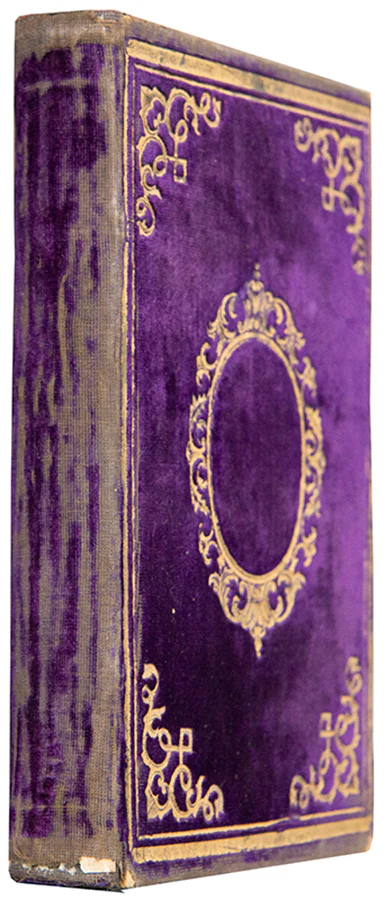
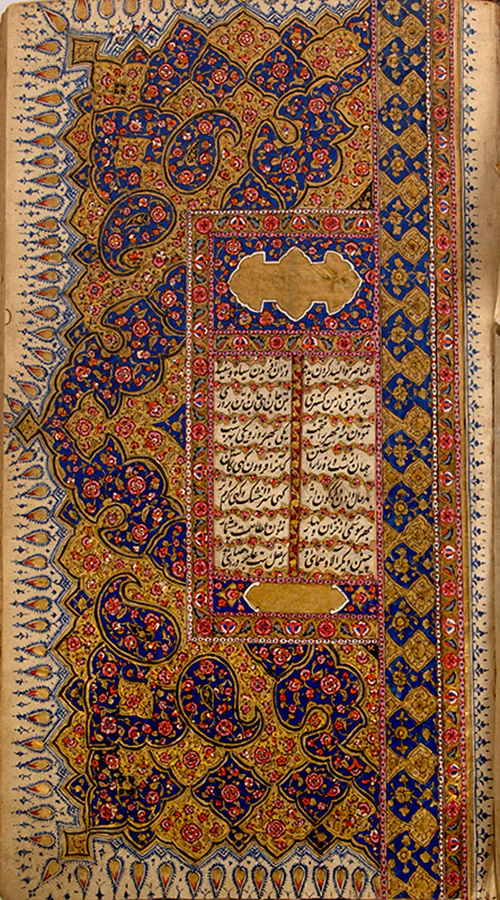
Single volume, illuminated manuscript on paper, in Farsi, 228 leaves, 280 x 185 mm; four columns, 25 lines black nasta'liq, important sections in gold, 5 illuminated head-pieces decorated in polychrome text-blocks ruled in gilt and polychrome, catch-words, 9 illustrations in the text executed in a 20th-century hand, first and final pages remargined, a few smudges in the text, a few early seal impressions to opening of sections and preliminary and penultimate leaves, including one belonging to 'Abd al-Baqi ibn Muhsin'; later papier-mâché boards, boards repaired and sections along creases repaired on both boards, extremities rubbed.
$568,536.82
Original: $1,895,122.75
-70%Khamsa,—
$1,895,122.75
$568,536.82Product Information
Product Information
Shipping & Returns
Shipping & Returns
Description
copied during the reign of Shah Abbas I
The manuscript consists of the five books of Nizami, arranged as follows: Makhzan al-Asrar (Treasure-chamber of Mysteries), Khosrow va Shirin, Layla va Majnun, Iskandar Nameh (The Book of Alexander) and Haft Peykar (Seven Portraits). There are two colophon present, the first at the end of Iskander Nameh provides a date of the 1st Ramadan 1008 (17th March 1600) and is signed Ghayam al-Din, the end of the Haft Peykar provides the second colophon describes a completion date of the 12th Dhu'l Qu'da 1008 (3rd September 1600) signed by the same scribe. These variations give us an insight into the time it would take a professional scribe to complete a manuscript of this scale (6 months for one of the five books alone).The illustrations in this manuscript are bright and attractive but evidently in a much later hand than the body of the text. It is likely that there were spaces left for miniatures when the text was copied but these were never completed by a contemporary workshop and thus finished centuries later - likely in Iran. The illustrations present depict these scenes: (1) Shirin is shown Khosrow's portrait and falls in love (2) The meeting of Khosrow and Shirin (3) The suicide of Farhad (4) Layla at School (5) Layla and Majnun (6) Iskander comforts the dying Dara (7) Iskander meets the Wise Men (8) Bahram Wins the Crown (9) Monarch Parading a captured prisoner (image not obviously related to adjoining leaves).
Single volume, illuminated manuscript on paper, in Farsi, 228 leaves, 280 x 185 mm; four columns, 25 lines black nasta'liq, important sections in gold, 5 illuminated head-pieces decorated in polychrome text-blocks ruled in gilt and polychrome, catch-words, 9 illustrations in the text executed in a 20th-century hand, first and final pages remargined, a few smudges in the text, a few early seal impressions to opening of sections and preliminary and penultimate leaves, including one belonging to 'Abd al-Baqi ibn Muhsin'; later papier-mâché boards, boards repaired and sections along creases repaired on both boards, extremities rubbed.